Tema We Dey: From Fishing Village to Ghana’s Harbour City
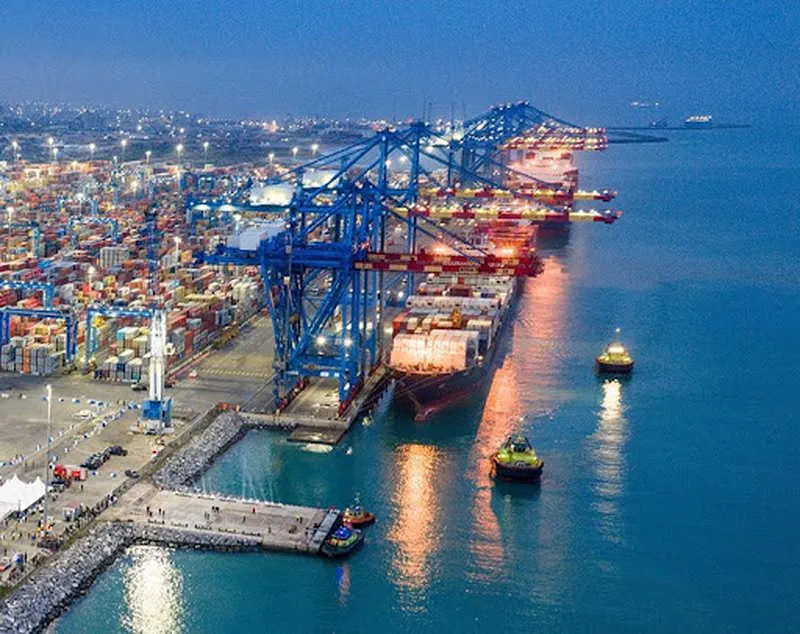
Tema, widely known as Ghana’s harbour city, lies approximately 25 kilometres east of Accra and forms part of the Greater Accra Region. Positioned within the coastal plains of southern Ghana, its geography made it a natural choice for the development of a purpose-built seaport—one that would later redefine the city’s destiny.
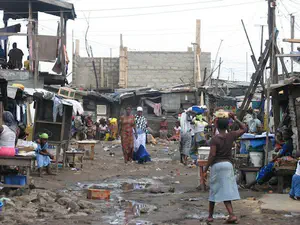
Before modern development, Tema began as a small Ga fishing settlement known as Torman. This original community existed long before the planned city of Tema was established. Located along the southeastern coast, Torman thrived on fishing, fish smoking, salt production, and small-scale trading. Life was simple but deeply rooted in tradition, with tightly knit families, communal living, and strong adherence to Ga customs, festivals, and leadership structures.
From Torman to a Planned City
During the leadership of Ghana’s first president, Dr. Kwame Nkrumah, a bold vision emerged—to build a deep-water harbour and an industrial city that would serve as a gateway for national development. Torman’s coastal location made it ideal for this transformation.
In 1952, land was acquired for the construction of Tema Harbour and the new city. As a result, the people of Torman were relocated, mainly to what is now known as Tema New Town. Over time, Tema expanded into a carefully planned urban space, today comprising about 20 communities, commonly referred to as Community 1 through Community 25.
The Industrial Backbone of Ghana
Tema is often described as Ghana’s industrial city, hosting some of the country’s most critical industries and production hubs. At its core is the Tema Harbour, supported by customs and clearing agencies, shipping and freight forwarding firms, and large-scale warehousing companies.
The city is home to major manufacturing and heavy industries, including VALCO (Volta Aluminium Company), Tema Steel Company / Sentuo Steel, Aluworks, and cement plants such as Ghacem and Dangote Cement nearby. In the energy sector, Tema hosts the Tema Oil Refinery (TOR), fuel storage depots, LPG companies, and power generation facilities.
Food and beverage processing also plays a major role, with companies such as Nestlé Ghana, Coca-Cola Bottling Company of Ghana, Fan Milk, and Unilever Ghana operating within the city. Tema further supports Ghana’s chemical and pharmaceutical industries, including firms like Ayrton Drug Manufacturing and Kinapharma.
Culture, Streets, and Identity
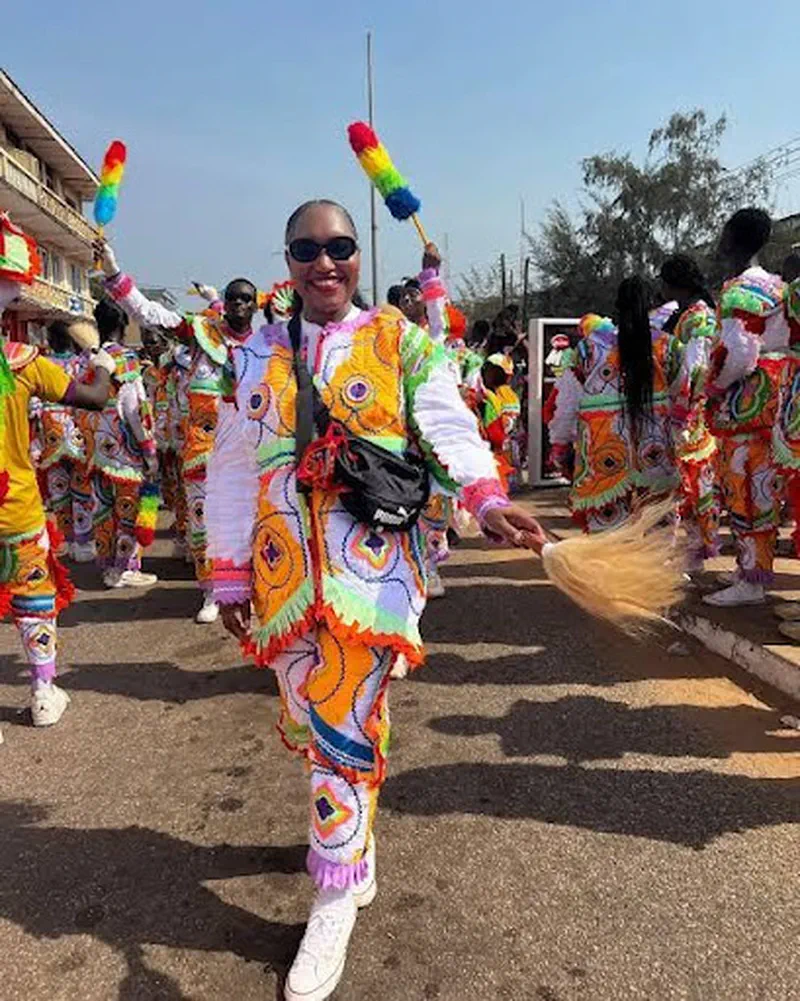
Beyond industry, Tema is known for its structured streets, vibrant neighbourhoods, and rich social life. It has earned a reputation as Ghana’s hip-hop capital and a centre for entertainment, producing some of the country’s most influential talents.
Everyday life in Tema unfolds in familiar spaces—Kaizer and Sageco Flats, chop bars such as Frankie’s and Salamander, roadside food joints, barbershops in Community 18, and football corners in Community 7.
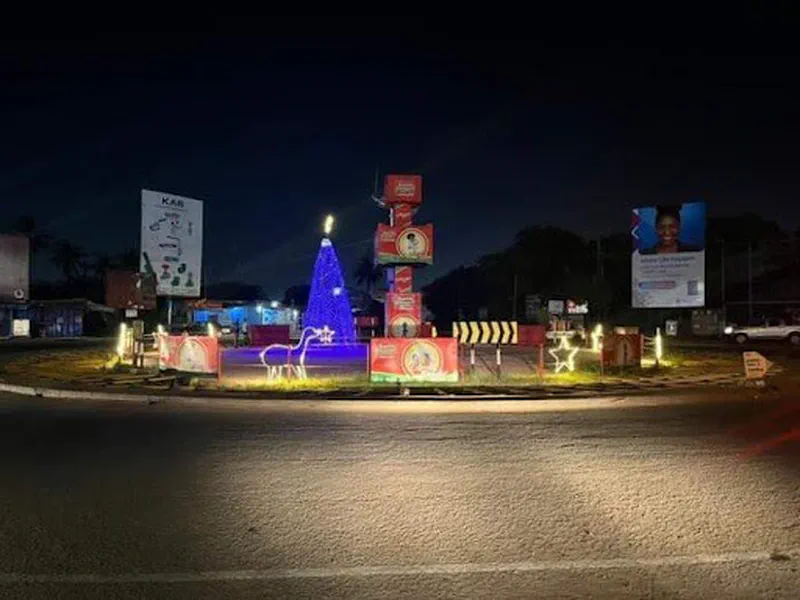
These streets raise the youth and shape the city’s confident, bold identity.
Nightfall in the Harbour City
When night falls, Tema takes on a calm yet lively energy. The nightlife thrives in locations such as Club Onyx, Club Heaven, Passions, Greens Lounge, Vienna City, and along the Sakumono Beach stretch. Music, laughter, and late-night hangouts fill the air, complemented by the cool sea breeze that flows naturally through the coastal communities.
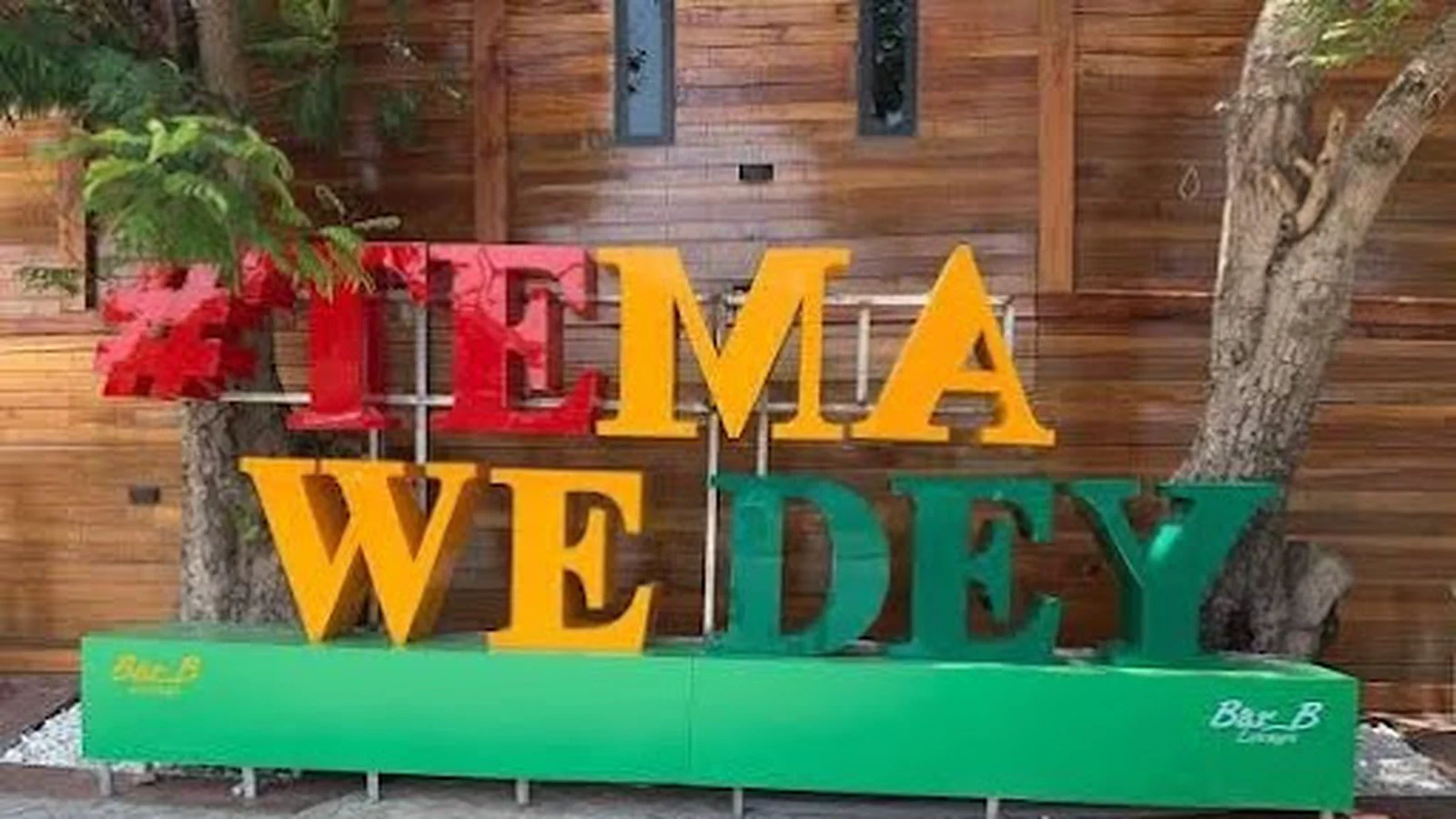
“Tema We Dey”
Tema is more than a city—it is home, hood, community, and opportunity. The phrase “Tema we dey” is not just a slogan; it is a declaration of identity, resilience, and belonging.
There can only be one Tema.
And that Tema is us.