Ashaiman: The Hood Where Hustle Lives
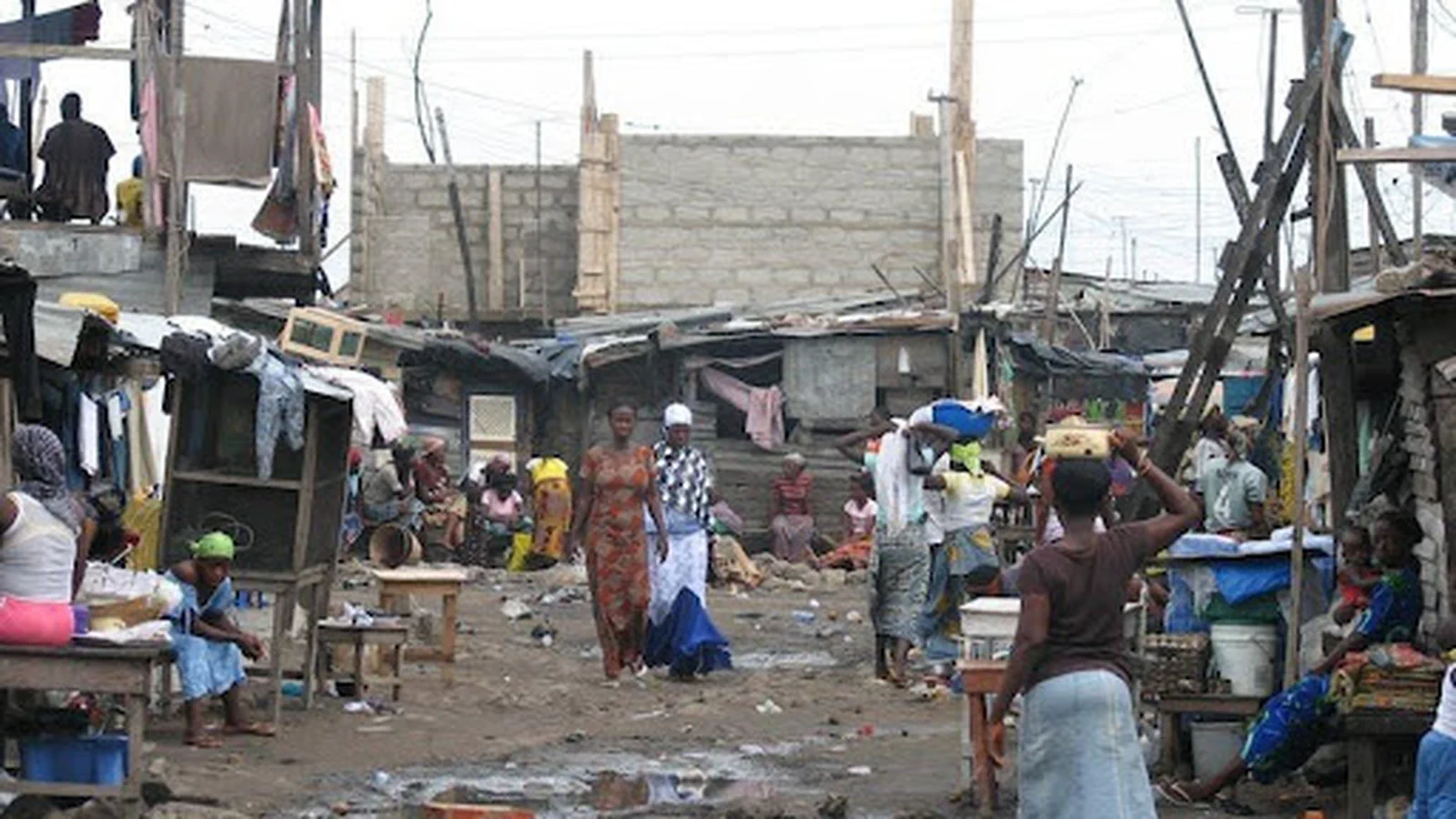
Ashaiman is a town defined by rough streets and relentless energy. Often described as Ghana’s hustle capital, it is known for its vibrant markets, informal businesses, high-speed motorbike riders, aggressive troski drivers and mates, and a long-standing association with crime. In Ashaiman, survival is not optional—it is demanded.
The name Ashaiman is believed to originate from the Ga language, commonly interpreted as “the place of the Ashai people” or more broadly, a settlement of strangers or workers. This meaning reflects the town’s origins. Ashaiman emerged as a migrant settlement when workers seeking employment at Tema Harbour and the surrounding industrial zones could not afford accommodation in Tema itself. Cheaper housing and proximity to work opportunities made Ashaiman the alternative.
A Town Built by Migration
Geographically, Ashaiman lies close to Tema and serves as a critical link to surrounding communities such as Afienya, Michel Camp, Gbetsile, and the Tema Motorway enclave. This strategic location has played a major role in its rapid expansion.
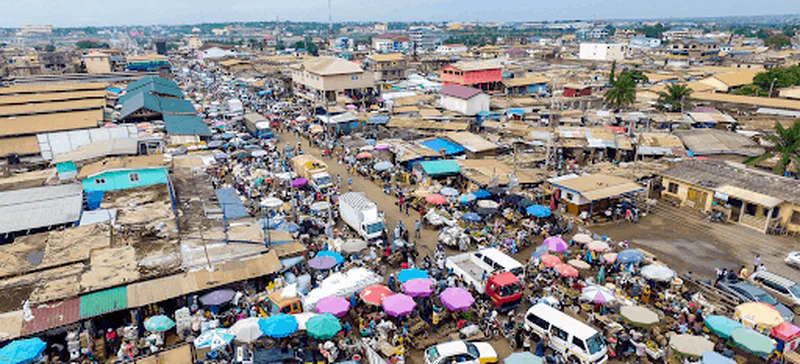
Over time, Ashaiman transformed from a temporary settlement into one of the largest commercial and market centres around Tema and its environs. Many traders—and customers—believe, often with justification, that “goods are cheaper in Ashaiman”, drawing buyers daily from neighbouring towns.
From the Hood to the Spotlight
Despite its challenges, Ashaiman has produced notable figures who rose from the streets to national and international recognition. The town has nurtured talents across multiple fields, including music stars such as Stonebwoy, Gallaxy, Adam Ro, Awaga, and Kwesi Slay; actors and dancers like Abraham Attah and Dancegod Lloyd; and sports figures including Thomas Partey and Ablade Morgan.
Their stories stand as proof that Ashaiman, despite its hardships, remains a breeding ground for ambition and raw talent.
Fear, Stereotypes, and Reality
Yet, Ashaiman’s reputation carries a darker side. A common warning echoes across Accra:
“If you’re going to Ashaiman, hold your bag tight and hide your phone.”
This perception has fueled deep stereotypes about the community. While exaggerated in some cases, there are also uncomfortable truths behind the fear. Ashaiman’s population has grown rapidly, with youth significantly outnumbering adults. A large portion of the town includes a zongo community—predominantly Muslim migrants from various parts of Ghana—who settled in search of better opportunities. Many live in overcrowded conditions, including wooden plank houses and poorly serviced areas.

As unemployment increased and economic pressure mounted, crime followed. For many young men, petty crime became a means of survival. Pickpocketing, house break-ins, bag snatching on motorbikes, and theft in crowded markets became more frequent. Alongside this rise came corruption and increased drug use, including cannabis, tramadol, heroin, cocaine, tobacco, and excessive alcohol consumption—often used as coping mechanisms in the face of frustration and social stagnation.
A Town in Transition
In Ashaiman, there is a widely understood truth:
“If you are not ready to hustle, you cannot survive.”
It is not a place for the weak-hearted. Survival requires alertness, resilience, and grit. With its fast-growing population and high birth rates compared to surrounding communities, pressure on space, jobs, and resources continues to intensify.
Yet, Ashaiman is not frozen in decay.
In recent years, new and more structured residential areas have emerged, featuring organized housing, expanding businesses, and growing recreational spaces. These developments point to a town in transition—one wrestling with its past and present, while quietly preparing for a different future.
As the streets will tell you plainly:
“If you no get kapa, you no fit survive Ashaiman.”
And perhaps that is the clearest definition of the town—a place where hustle is not celebrated, but required.